Agentic AI Scientists Are Not Built for Autonomous Scientific Discovery
A critique of autonomous AI-scientist systems, arguing that current designs miss tacit lab knowledge, diversity, physical feedback, and problem selection.
What combination of tacit-knowledge capture, hypothesis diversity, and physical feedback would let agentic scientists outperform expert human teams on genuinely novel discoveries?
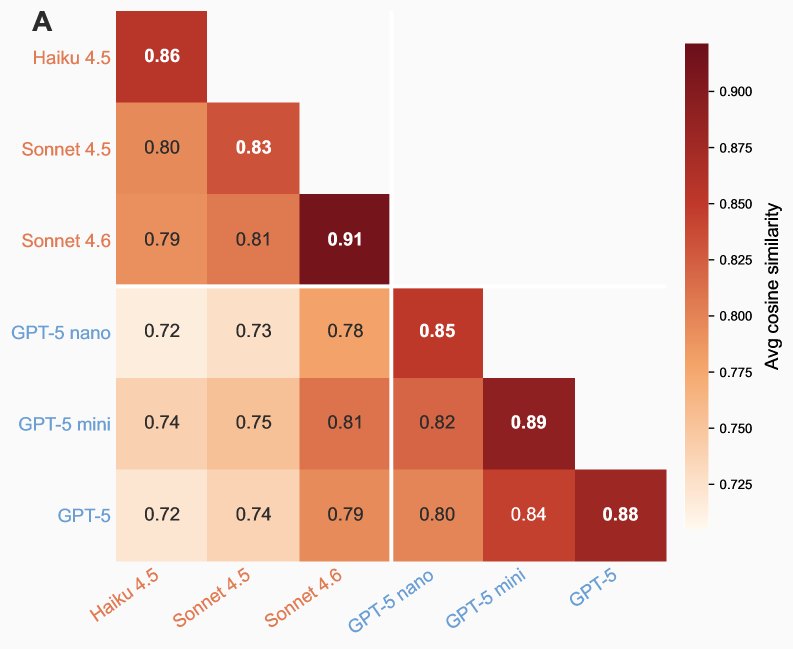
This is an important counterweight to the most optimistic AI-science entries. The authors argue that current agentic AI scientists work best as co-scientists, not fully autonomous discoverers.
Bottlenecks
The paper highlights problem selection, missing tacit procedural knowledge, post-training pressure toward consensus, and benchmarks that lack feedback from physical experiments.
ASI relevance
Pro-ASI does not mean credulous. The fastest path to powerful scientific agents is to understand where today’s systems are structurally weak: real-world failure knowledge, persistent world models, diverse hypotheses, and experiment feedback.